
Singapore’s food scene is a feast for the senses and a reflection of its multicultural roots. As a nation shaped by Chinese, Malay, Indian, and Peranakan influences, it brings together generations of culinary tradition with modern flair. From sizzling woks at hawker stalls to beautifully plated dishes in Michelin-starred restaurants, every meal tells a story of history, heritage, and innovation.
Whether you’re wandering through the vibrant aisles of a hawker centre or dining in an upscale eatery, the variety is astounding — and delicious. Each bite offers a glimpse into the island’s rich cultural tapestry, where spices, sauces, and cooking styles blend in unique ways.
For newcomers, the options may feel endless, but some dishes are truly essential. This guide highlights 10 of the most iconic Singaporean dishes — beloved by locals and unforgettable for visitors. These are the flavours that define the Lion City, from breakfast classics to late-night suppers. Ready your appetite and prepare to explore the best of what Singapore has to offer, one dish at a time.
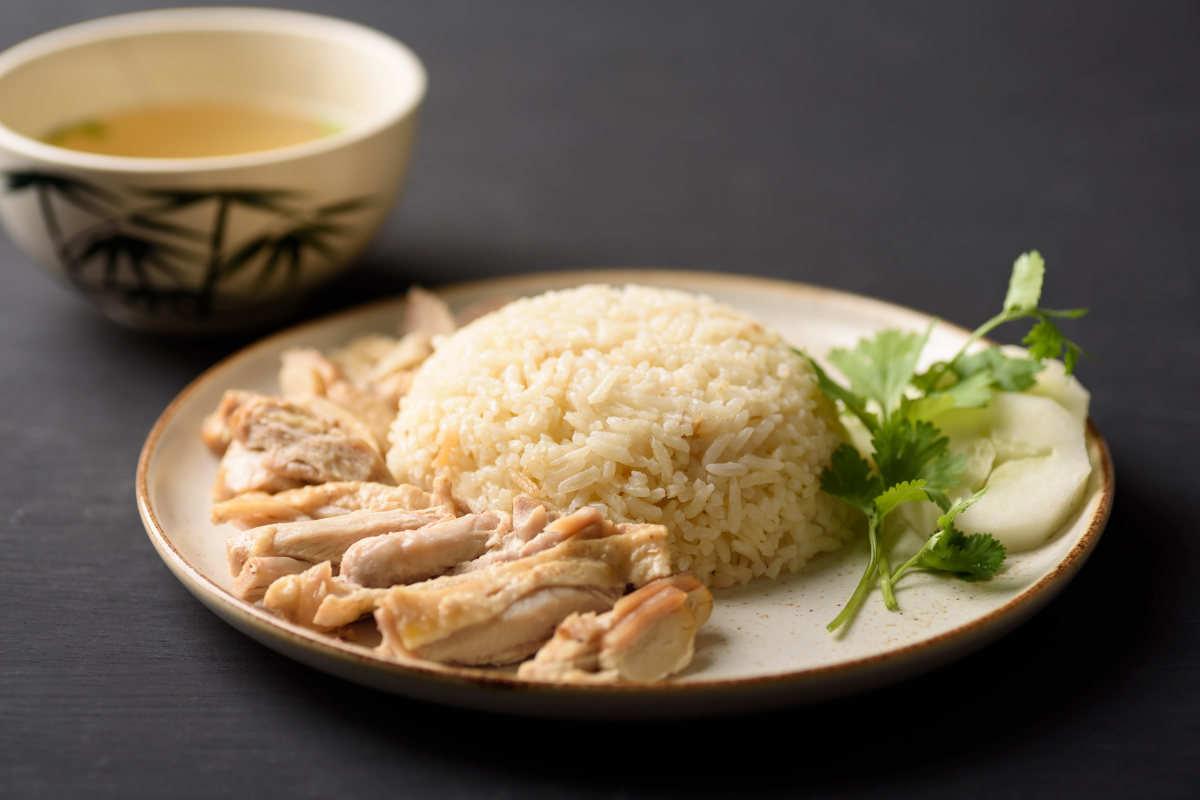
1. Hainanese Chicken Rice
Description:
Poached or roasted chicken served with rice cooked in aromatic chicken broth, and accompanied by chilli sauce, minced ginger, and dark soy sauce.
Cultural Significance:
Brought to Singapore by Chinese immigrants from Hainan, this dish has been refined locally into a national icon. It exemplifies how simplicity, when done right, can be profound.
Why It’s a Must-Try:
The tender chicken, infused with subtle flavours, paired with the rich and savoury rice, makes for an addictive comfort food. The trio of sauces completes the experience.
Where to Find It:
- Tian Tian Hainanese Chicken Rice at Maxwell Food Centre
- Boon Tong Kee for a more restaurant-style experience
Tips for Enjoying:
Try the poached version for authenticity and always mix the sauces to your taste.
2. Chilli Crab
Description:
Fresh crab stir-fried in a semi-thick, sweet and spicy tomato-chilli sauce, often served with steamed or fried mantou (buns).
Cultural Significance:
A truly Singaporean creation dating back to the 1950s, chilli crab showcases the city-state’s knack for turning local seafood into a world-famous delicacy.
Why It’s a Must-Try:
The messy, finger-licking experience is part of the joy. The sauce is so delicious, many say it’s best eaten with a spoon—or better yet, soaked up with mantou.
Where to Find It:
- Jumbo Seafood at East Coast
- No Signboard Seafood at Geylang
Tips for Enjoying:
Be prepared to get your hands dirty. Order extra mantou for dipping.
3. Laksa
Description:
A spicy noodle soup with thick rice vermicelli, served in a rich coconut milk curry broth with prawns, fishcake, and cockles.
Cultural Significance:
Peranakan in origin, laksa reflects the marriage of Malay and Chinese cuisines, resulting in bold flavours and vibrant textures.
Why It’s a Must-Try:
The blend of creamy coconut and spicy chilli paste delivers a depth of flavour that is uniquely Southeast Asian.
Where to Find It:
- 328 Katong Laksa on East Coast Road
- Sungei Road Laksa for a charcoal-cooked version
Tips for Enjoying:
Katong-style laksa is typically eaten with a spoon only—no chopsticks needed.
4. Char Kway Teow
Description:
Flat rice noodles stir-fried with dark soy sauce, eggs, Chinese sausage, prawns, cockles, and bean sprouts.
Cultural Significance:
Originally a working-class dish, char kway teow is now a national favourite, known for its “wok hei” — the smoky aroma from high-heat wok cooking.
Why It’s a Must-Try:
The contrast between the smoky noodles, sweet sausage, and briny cockles is an absolute flavour bomb.
Where to Find It:
- Hill Street Char Kway Teow at Chinatown Complex
- Outram Park Fried Kway Teow Mee at Hong Lim Market
Tips for Enjoying:
Look for stalls that cook each plate individually for maximum “wok hei.”
5. Hokkien Prawn Mee
Description:
Stir-fried egg and rice noodles in a prawn and pork stock, often topped with prawns, squid, and sambal chilli.
Cultural Significance:
Rooted in Fujian (Hokkien) cuisine, this dish has been given a distinctly Singaporean twist over the years.
Why It’s a Must-Try:
The broth-soaked noodles are packed with umami and the accompanying sambal elevates it even more.
Where to Find It:
- Nam Sing Hokkien Fried Mee at Old Airport Road
- Geylang Lor 29 Hokkien Mee
Tips for Enjoying:
Squeeze the lime and mix in the sambal before diving in.
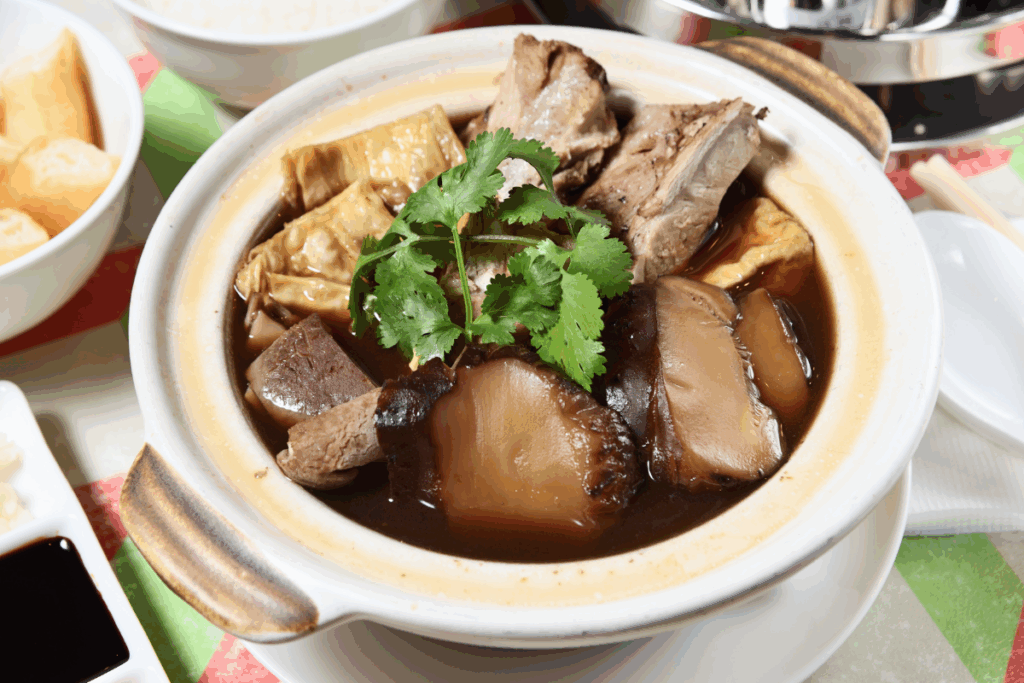
6. Bak Kut Teh (Pork Rib Soup)
Description:
A peppery pork rib soup served with white rice, youtiao (fried dough), and side dishes like preserved vegetables and tofu.
Cultural Significance:
Favoured by Chinese labourers in the past, it’s considered a hearty, restorative meal.
Why It’s a Must-Try:
The clear, pepper-laden broth warms the soul, especially during rainy days.
Where to Find It:
- Song Fa Bak Kut Teh (multiple outlets)
- Ng Ah Sio Pork Ribs Soup Eating House
Tips for Enjoying:
Dip the youtiao into the soup and enjoy it with strong Chinese tea to cut through the richness.
7. Satay
Description:
Grilled skewers of marinated meat (chicken, beef, or lamb) served with peanut sauce, cucumber, onions, and ketupat (rice cakes).
Cultural Significance:
A staple in Malay and Indonesian cuisine, satay is a celebration of communal eating and open-flame cooking.
Why It’s a Must-Try:
The smoky meat paired with sweet-spicy peanut sauce is irresistible.
Where to Find It:
- Lau Pa Sat Satay Street
- East Coast Lagoon Food Village
Tips for Enjoying:
Eat with your hands for the full experience and don’t skimp on the peanut sauce.
8. Kaya Toast & Soft-Boiled Eggs
Description:
Toasted bread with kaya (coconut jam) and butter, served with soft-boiled eggs and dark soy sauce.
Cultural Significance:
A traditional Singaporean breakfast that dates back to the British colonial era.
Why It’s a Must-Try:
It’s a sweet-savoury combination like no other, best enjoyed with a cup of strong local kopi (coffee).
Where to Find It:
- Ya Kun Kaya Toast
- Killiney Kopitiam
Tips for Enjoying:
Break the eggs, add soy sauce and pepper, and dip your toast into the mixture.
9. Roti Prata
Description:
Crispy-on-the-outside, fluffy-on-the-inside Indian flatbread served with a side of curry.
Cultural Significance:
An Indian-Muslim dish that’s become a beloved staple of Singaporean supper culture.
Why It’s a Must-Try:
Customisable with sweet or savoury fillings, it’s a versatile and satisfying dish.
Where to Find It:
- Mr and Mrs Mohgan’s Super Crispy Roti Prata
- The Roti Prata House at Upper Thomson
Tips for Enjoying:
Try it plain with fish curry first, then explore with fillings like egg, cheese, or banana.
10. Nasi Lemak
Description:
Coconut rice served with fried chicken or fish, sambal, peanuts, anchovies, and boiled egg.
Cultural Significance:
A dish with Malay roots, it’s widely enjoyed across communities in Singapore for breakfast or lunch.
Why It’s a Must-Try:
The balance of rich coconut rice and spicy sambal makes it a flavourful delight.
Where to Find It:
- The Coconut Club
- Selera Rasa Nasi Lemak at Adam Road Food Centre
Tips for Enjoying:
Mix the sambal into the rice and don’t skip the crispy ikan bilis (anchovies) for crunch.
Conclusion
Singapore’s food scene is more than just a list of dishes — it’s a living, breathing expression of its multicultural spirit. From Chinese kopi tiams to Malay warungs, Indian-Muslim mamak stalls to Peranakan eateries, each meal tells a story. While these 10 dishes are an excellent place to start, they are just the tip of the iceberg.
To make the most of your food journey in Singapore, spend time in hawker centres, try dishes outside your comfort zone, and most importantly, eat like a local. For more food adventures and planning tips, check out the Singapore Food Festival and Michelin Guide Singapore for curated dining spots.
Pack your appetite — Singapore awaits, one delicious bite at a time.