
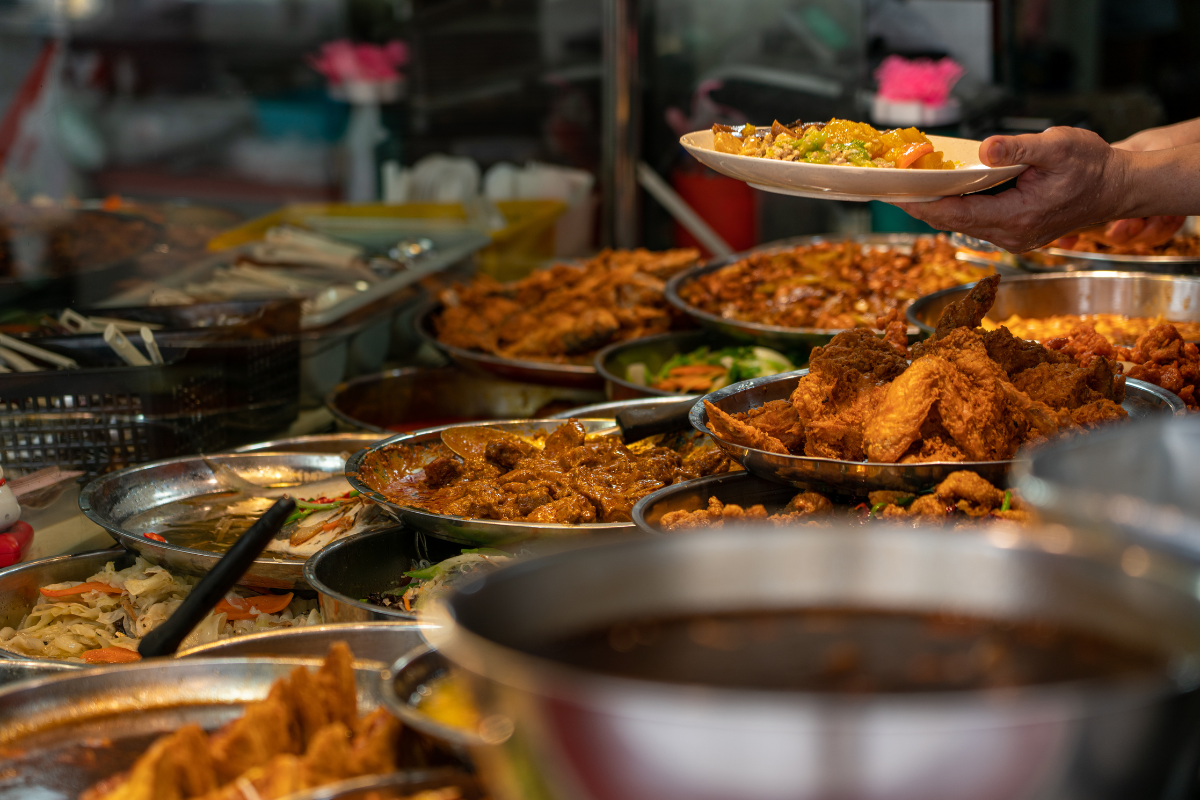
Singapore, a vibrant tapestry of cultures, boasts a culinary scene as diverse as its people. At the very heart of this gastronomic wonderland lies the hawker centre, a truly unique institution that recently earned a coveted spot on UNESCO’s Representative List of the Intangible Cultural Heritage of Humanity. These bustling, open-air food complexes are far more than just places to eat; they are the beating heart of Singaporean community life, offering an unparalleled insight into the nation’s multicultural soul through its incredibly delicious and affordable food.
The Essence of Hawker Culture: More Than Just Food
Imagine a place where the tantalising aromas of Chinese stir-fries, fragrant Malay curries, sizzling Indian flatbreads, and delicate Peranakan specialities intertwine in a symphony of scents. That’s a hawker centre. Their origins lie in the street food vendors of old, who, by the 1970s, were gradually relocated into organised centres by the government to improve hygiene and public health. This move transformed a vibrant but unregulated street food scene into the clean, efficient, and beloved institutions we know today.
Hawker centres serve as “community dining rooms” where Singaporeans from all walks of life – regardless of race, religion, or social standing – gather and share meals. It’s a testament to Singapore’s multicultural ethos, where culinary traditions from various ethnic groups have blended and evolved over decades, creating a unique “Singaporean flavour.” The affordability, authenticity, and sheer variety of dishes make visiting a hawker centre an absolute must for any traveller seeking a genuine taste of the Lion City. It’s a place where you can savour a gourmet meal for the price of a coffee in many Western cities.
Navigating a Hawker Centre Like a Seasoned Local
Stepping into a hawker centre for the first time can be a little overwhelming, but with a few insider tips, you’ll be ordering like a local in no time.
First, master the art of “chope-ing” your seat. During peak hours, tables can be scarce. Locals reserve their preferred spot by placing a packet of tissues, a business card, or even an umbrella on the table. This signals that the seat is taken, and it’s a widely respected practice. Don’t be shy; embrace it!
When it comes to ordering, most stalls operate on a cash-only basis, especially for smaller purchases, so ensure you have small denominations of Singapore Dollars (£5 and £10 notes are ideal). Menus are usually displayed prominently, often with pictures, making ordering straightforward even if there’s a language barrier. If you’re planning to take your food away, simply say “dabao” (pronounced “da-bow”) when ordering. Cutlery and condiments are typically self-service – look for designated stations nearby your chosen stall.
Crucially, tray return is mandatory. Singapore prides itself on its cleanliness, and diners are expected to return their trays and dishes to designated collection points after their meal. You’ll often find separate sections for “Halal” and “Non-Halal” returns. Lastly, how do you spot the best stalls amidst the dizzying array? Follow the queues! A long queue, especially with locals, is a sure sign of a popular and delicious stall. Many have also received recognition from the Michelin Guide, either with a Star or a Bib Gourmand.
Top Hawker Centres to Explore: Your Culinary Itinerary
To truly experience Singapore’s hawker culture, venture beyond just one spot. Here are a few diverse centres, each offering a distinct flavour:
- Maxwell Food Centre (Chinatown):
- Location/Vibe: Nestled in the heart of Chinatown, Maxwell is one of Singapore’s most famous and easily accessible hawker centres, popular with both locals and tourists. It has a lively, bustling atmosphere with a good mix of traditional and modern stalls.
- Signature Dishes to Try: The undisputed star here is Hainanese Chicken Rice from Tian Tian Hainanese Chicken Rice (#01-10/11). Famously lauded by Anthony Bourdain, their chicken is incredibly tender, and the fragrant rice is a meal in itself. Expect a queue, but it’s well worth the wait. Also try the char kway teow or fried oyster omelette.
- Why it’s unique: Its central location and iconic stalls make it a perfect first stop for newcomers to hawker culture.
- Old Airport Road Food Centre (Geylang):
- Location/Vibe: A little further afield in the Geylang area, Old Airport Road Food Centre is considered by many locals to be the holy grail of hawker food. It offers a more authentic, less touristy experience with a vast selection of legendary stalls, some run by families for generations.
- Signature Dishes to Try: This is a fantastic place for Hokkien Mee. Try Nam Sing Hokkien Fried Mee (#01-32) for its rich, umami-laden noodles, or Yi Ji Fried Hokkien Prawn Mee (#01-102). You’ll also find excellent rojak and char kway teow.
- Why it’s unique: Its reputation for exceptional taste and strong local patronage make it a true foodie pilgrimage.
- Lau Pa Sat (Central Business District):
- Location/Vibe: Housed in a stunning Victorian-era cast-iron structure, Lau Pa Sat stands out with its unique architecture and central location in the CBD. At night, a section of Boon Tat Street transforms into “Satay Street,” an open-air grilling extravaganza.
- Signature Dishes to Try: Satay is the absolute highlight here. Head to Satay Stalls 7 & 8 on Boon Tat Street for succulent skewers of chicken, beef, or mutton, served with a rich peanut sauce and ketupat (rice cakes). Inside the main hall, you’ll find a wide variety of other hawker favourites.
- Why it’s unique: The beautiful heritage building and the vibrant night-time “Satay Street” experience offer a distinct atmosphere unlike any other hawker centre.
Must-Try Hawker Dishes: A Culinary Cheat Sheet
Beyond specific stalls, here’s a cheat sheet of essential Singaporean hawker dishes to tick off your list:
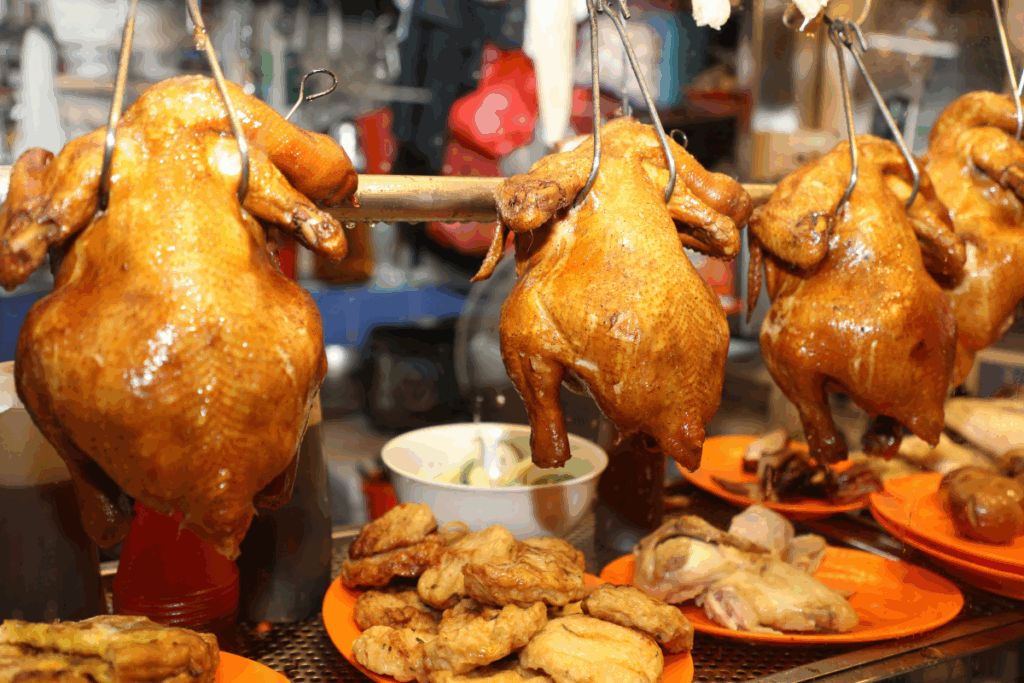
- Hainanese Chicken Rice: Singapore’s unofficial national dish. Poached or roasted chicken, served with fragrant rice cooked in chicken broth, chilli sauce, and ginger paste. Simple, yet profoundly satisfying.
- Laksa: A rich, spicy, and aromatic coconut milk-based noodle soup, often with prawns, fish cake, and cockles. A glorious fusion of Chinese and Malay flavours.
- Char Kway Teow: Flat rice noodles stir-fried with prawns, cockles, Chinese sausage, eggs, bean sprouts, and chives in a dark soy sauce. A smoky, savoury delight.
- Chilli Crab: While often found in seafood restaurants, some hawker centres, particularly those focusing on seafood, might offer this iconic dish. It features a whole crab smothered in a tangy, sweet, and spicy tomato-chilli sauce, perfect for scooping up with fried mantou (buns).
- Satay: Marinated and grilled skewers of meat (chicken, beef, mutton) served with a sweet and spicy peanut dipping sauce, cucumber, onion, and rice cakes. An essential alfresco snack.
- Roti Prata: A crispy, flaky Indian flatbread, often served with a choice of curry (fish or chicken) for dipping. Delicious for breakfast or a late-night snack.
- Bak Chor Mee: Minced pork noodles, typically served dry with a vinegar and chilli sauce, slices of pork, meatballs, and braised mushrooms. A burst of flavour in every bite.
- Fried Carrot Cake (Chai Tow Kway): Not the sweet cake you might imagine! This savoury dish is made from stir-fried radish cake cubes with egg, preserved radish, and dark soy sauce, often with prawns or bean sprouts. Available in “black” (with dark soy sauce) or “white” (plain).
Tips for an Optimal Hawker Experience
- Timing is everything: Visit during off-peak hours (mid-morning or mid-afternoon) to avoid the lunch and dinner crowds, especially at popular spots.
- Cash is king: While some stalls accept e-payments, having cash in small denominations is always recommended.
- Embrace the communal spirit: Be prepared to share tables, particularly during busy periods. It’s part of the authentic experience.
- Stay hydrated: Singapore’s tropical climate means hawker centres can be warm. Grab a refreshing drink like sugarcane juice, barley water, or a local coffee (kopi) or tea (teh).
- Consider a food tour: If you’re keen to learn more about the history and specific dishes, a guided hawker food tour can enhance your experience. Check out reputable tour operators in Singapore.
Conclusion
Singapore’s hawker centres are more than just places to eat; they are cultural institutions, culinary melting pots, and vibrant social spaces that offer an unforgettable taste of the nation’s identity. From the sizzle of woks to the friendly chatter of diners, every visit is an immersion into the heart and soul of Singapore. So, pack your appetite, embrace the local customs, and embark on a delicious journey through the Lion City’s UNESCO-recognised food culture. You won’t just be eating; you’ll be experiencing a vital part of Singaporean life.
External Links:
- For more on Singapore’s UNESCO Hawker Culture inscription: https://ich.unesco.org/en/Decisions/15.COM/8.b.6
- A comprehensive guide to Singaporean dining etiquette, including hawker centres: http://www.ediplomat.com/np/cultural_etiquette/ce_sg.htm